
Watery eyes do not always mean your eyes are well lubricated. When the tear film is unstable, irritation can trigger a burst of reflex tears. Your eyes may water while still feeling gritty, burning or dry.
What can cause dry or watery eyes?
Dry eye may occur when the eyes make too few tears or when tears evaporate too quickly. Several factors can contribute, including prolonged screen use and reduced blinking, dry indoor air, wind, contact lenses, eyelid-gland changes, certain medications, age and medical conditions.
Other problems—including allergies, infection or a blocked tear duct—can also cause watering. Persistent symptoms should be assessed rather than assumed to be dry eye.
What happens during a dry-eye assessment?
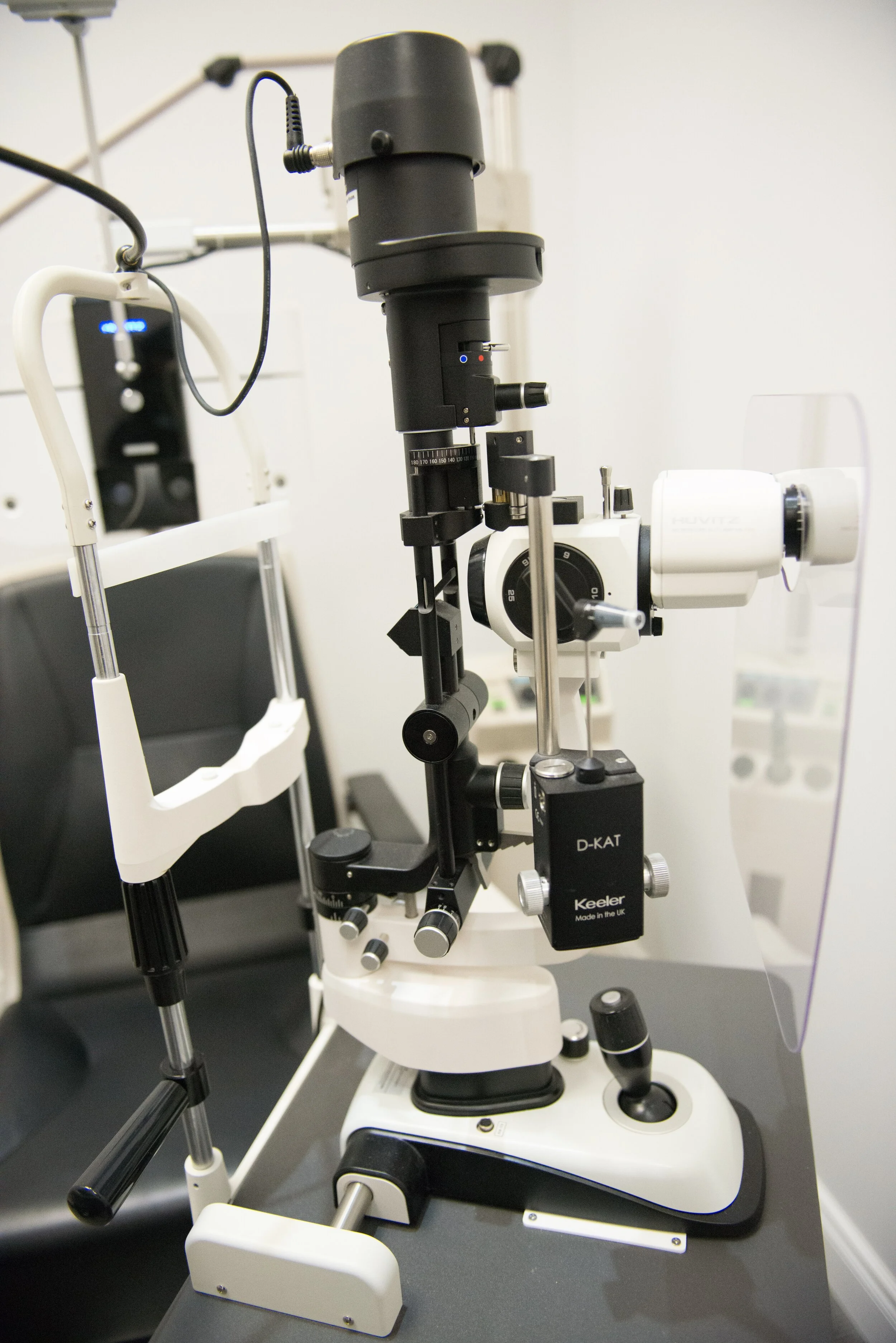
Your optometrist will ask when symptoms occur, whether one or both eyes are affected, and about your medications, contact lenses and screen habits. Depending on your history and findings, an examination may assess the eyelids and their oil glands, the tear film, the eye surface, vision and other possible causes of redness or watering. The goal is to understand the cause before recommending care.
What can help?
Treatment depends on the type and severity of the problem. Your optometrist may recommend suitable lubricating drops, warm compresses, eyelid care, environmental changes or other individualized treatment. Screen breaks and conscious blinking can help when device use contributes to dryness. Drops advertised mainly to remove redness are not necessarily dry-eye treatments; ask which product is appropriate for you.
What about screens and blue-light glasses before bed?
People often blink less while concentrating on devices, which may worsen dry-eye symptoms. Take regular breaks and adjust screen position and glare. For sleep, bright light and evening device use can affect the body's circadian rhythm. If you need to use a device before bed, dimming the screen or using night mode may help reduce evening light exposure; reducing screen time before bed is another option.
Blue-light filtering glasses are an optional choice, but studies have found mixed results for sleep. They have not been proven to reliably improve sleep or treat dry eye, and different lenses filter different amounts of light. Discuss your screen habits and lens needs with your optometrist rather than relying on a coating alone.
When should watery eyes be examined?
Book an examination if watering or discomfort is frequent, affects contact-lens wear, causes fluctuating vision or does not improve with simple changes. Seek urgent assessment for sudden vision loss, severe pain, a significant injury, chemical exposure, a curtain over your vision or new flashes and many floaters. Call promptly or seek emergency care if timely eye assessment is unavailable.
Dry-eye care in Boxgrove, Markham
RevitalEyes Eye Care provides eye examinations and dry-eye assessment at 72 Copper Creek Drive, Unit 104, in Boxgrove Plaza. Care is available in English and Tamil, with optometrist appointments Wednesday, Thursday and Saturday. Learn about eye exams in Markham, see our eye-care services, or request an appointment.
Frequently asked questions
Can dry eye really make my eyes water?
Yes. Irritation from an unstable tear film can trigger reflex tears. Other conditions can also cause watering, so ongoing symptoms deserve an examination.
Can screens make dry eye worse?
They can contribute because people often blink less while concentrating on a screen.
Can I wear contact lenses when my eyes feel dry?
Contact lenses can add to discomfort for some people. An optometrist can review the fit, wearing schedule and whether a different lens or temporary break is appropriate.
Which eye drops should I use?
The right option depends on your symptoms and their cause. Ask an optometrist or pharmacist before frequent use, especially with pain, significant redness or vision changes.
Do blue-light glasses improve sleep?
The evidence is mixed and does not establish a reliable benefit. Reducing bright evening screen exposure and discussing persistent sleep problems with a health professional are sensible steps.
Sources: The Waterloo Eye Institute's dry-eye guide informs the symptom and care information. The Canadian Association of Optometrists' screen-use guidance describes blinking and visual habits. Its blue-light guidance discusses evening light and sleep; a Cochrane review found the effects of blue-light filtering glasses on sleep uncertain. This guide provides general information and does not replace an individual examination.